Projects

Filter by category
Filter by label

2026

BionicFace: Closed-Loop Facial Muscle Stimulation for Facial Symmetry after Facial Paralysis

BionicFace: Closed-Loop Facial Muscle Stimulation for Facial Symmetry after Facial Paralysis

Published:

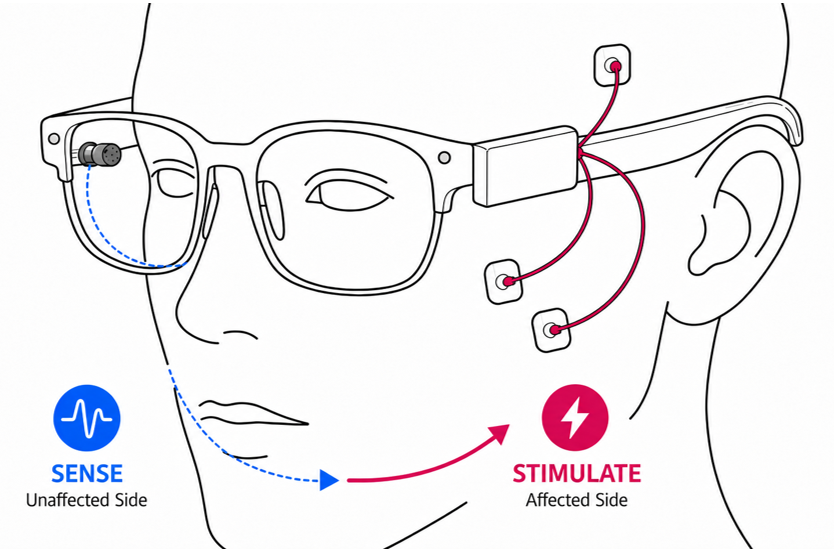
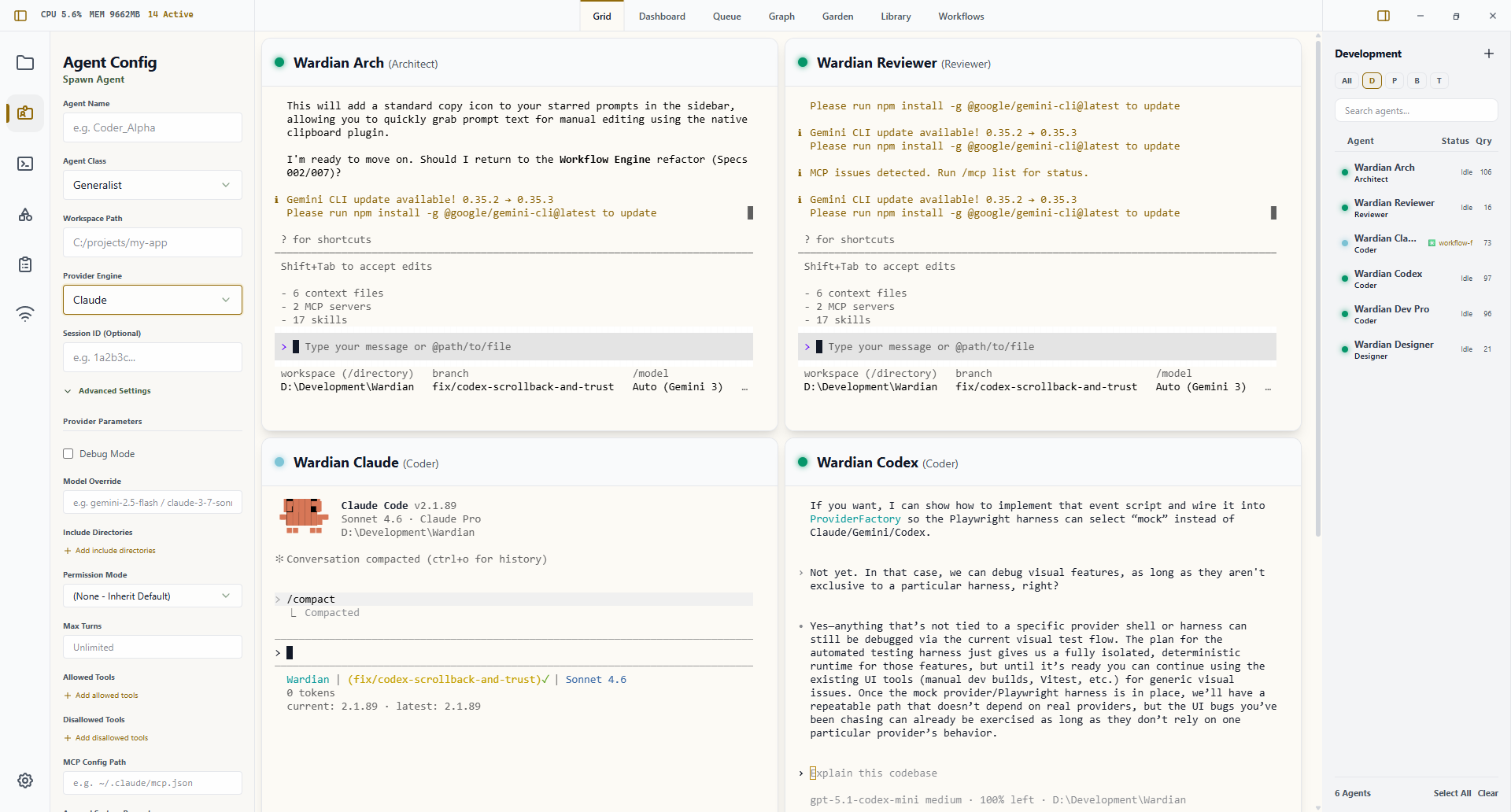
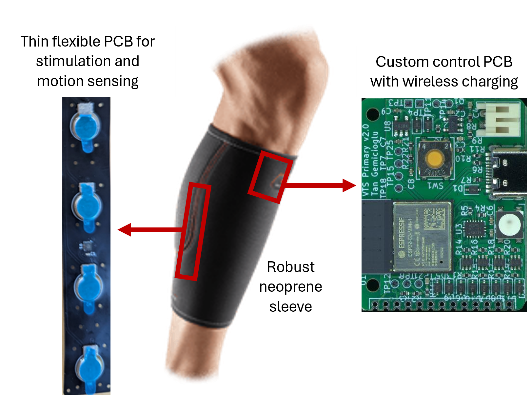
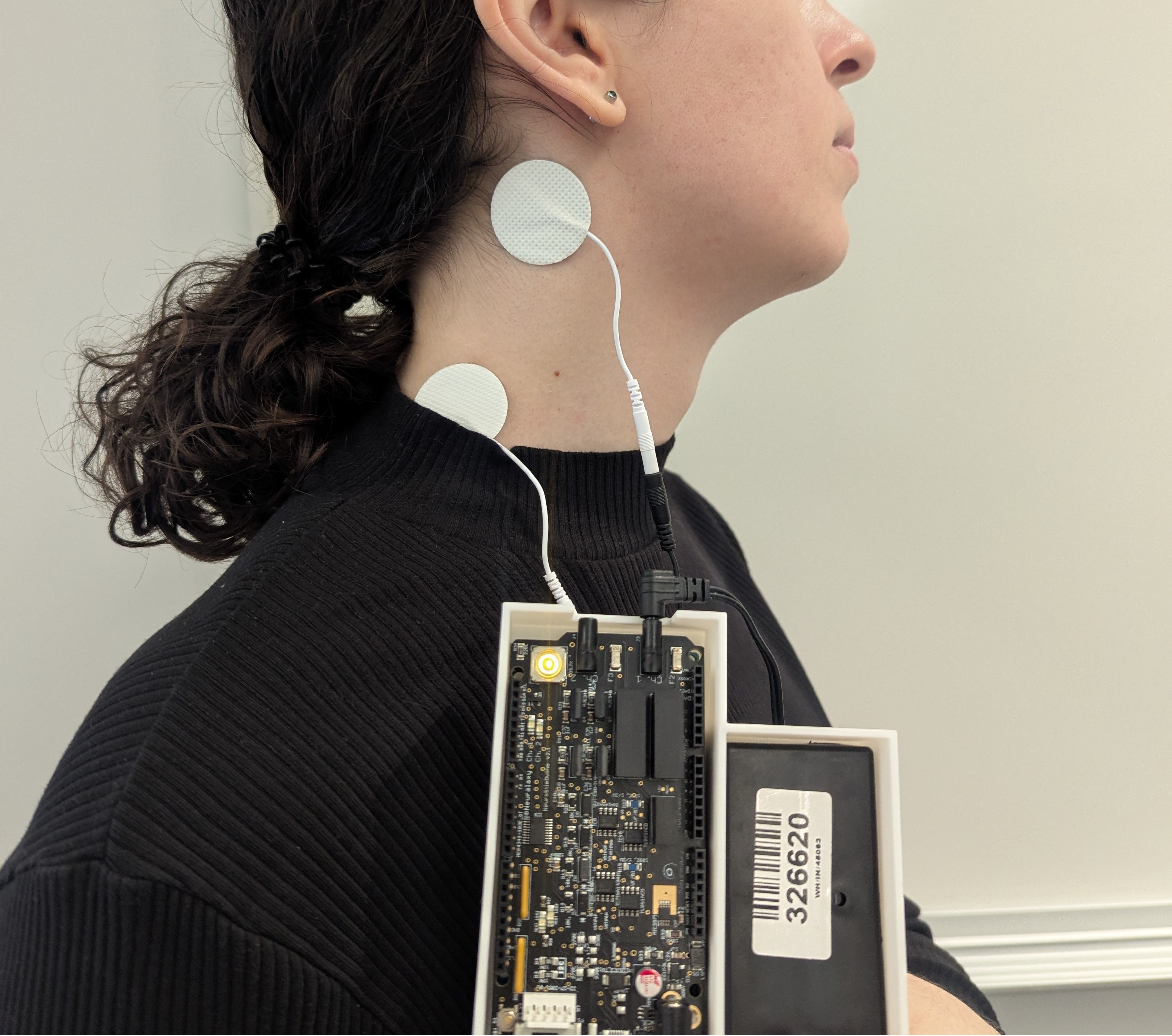
BionicFace is an assistive wearable research project for people with chronic facial paralysis caused by nerve damage. We are exploring glasses-based facial sensing and closed-loop electrical muscle stimulation to support real-time upper-face symmetry during social expression and communication, with a focus on hardware integration, calibration, comfort, safety, and everyday use.

research      Wearable therapeutics Accessibility Wearables Human augmentation Neural stimulation

2025

2023

2022

Tongue Gestures in Head Worn Devices

Tongue Gestures in Head Worn Devices

Published:

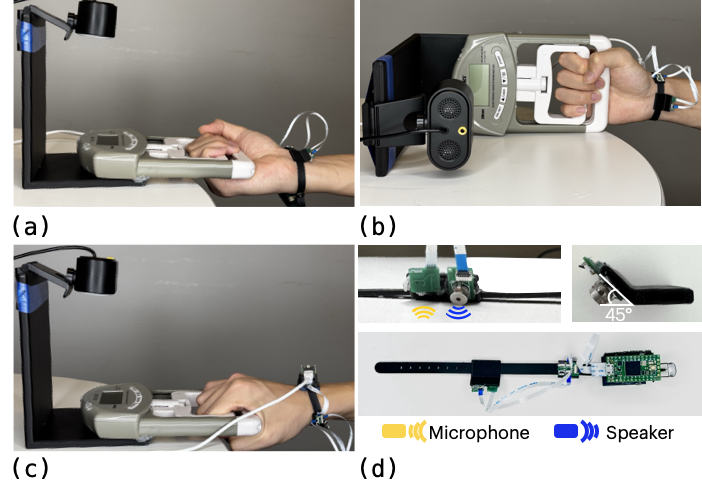
At Microsoft Research, we collected 48,000 trials from 16 participants across eight closed-mouth tongue gestures using sensors in commercial head-worn devices. A multimodal model reached 94% accuracy, and a follow-on interaction technique used tongue gestures to confirm gaze targets without dwell for subtle, hands-free selection.

research      Subtle interaction Wearables Human augmentation ICMI'23 paper CHI'23 demo UbiComp'22 poster talk

Perceived Credibility of Public Health Messages

Perceived Credibility of Public Health Messages

Published:

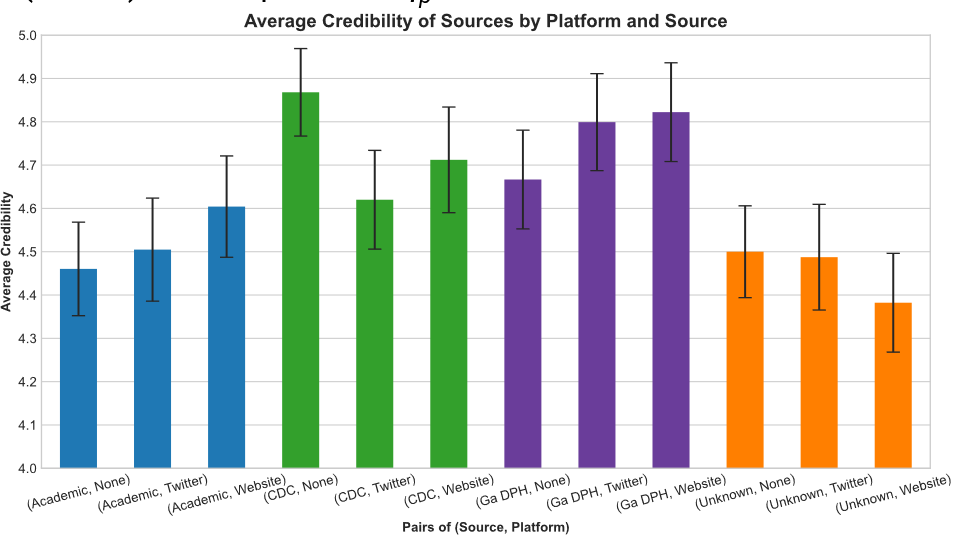
In a survey experiment with 51 Georgia Tech undergraduates, we tested whether the stated source and platform of a COVID-19 public-health message affected its credibility. Messages attributed to public-health agencies were rated above those with an unknown source; the text-only platform manipulation produced no significant effect.

coursework      Social computing poster

Assistive Smart Stove for Safer Kitchens

Assistive Smart Stove for Safer Kitchens

Published:

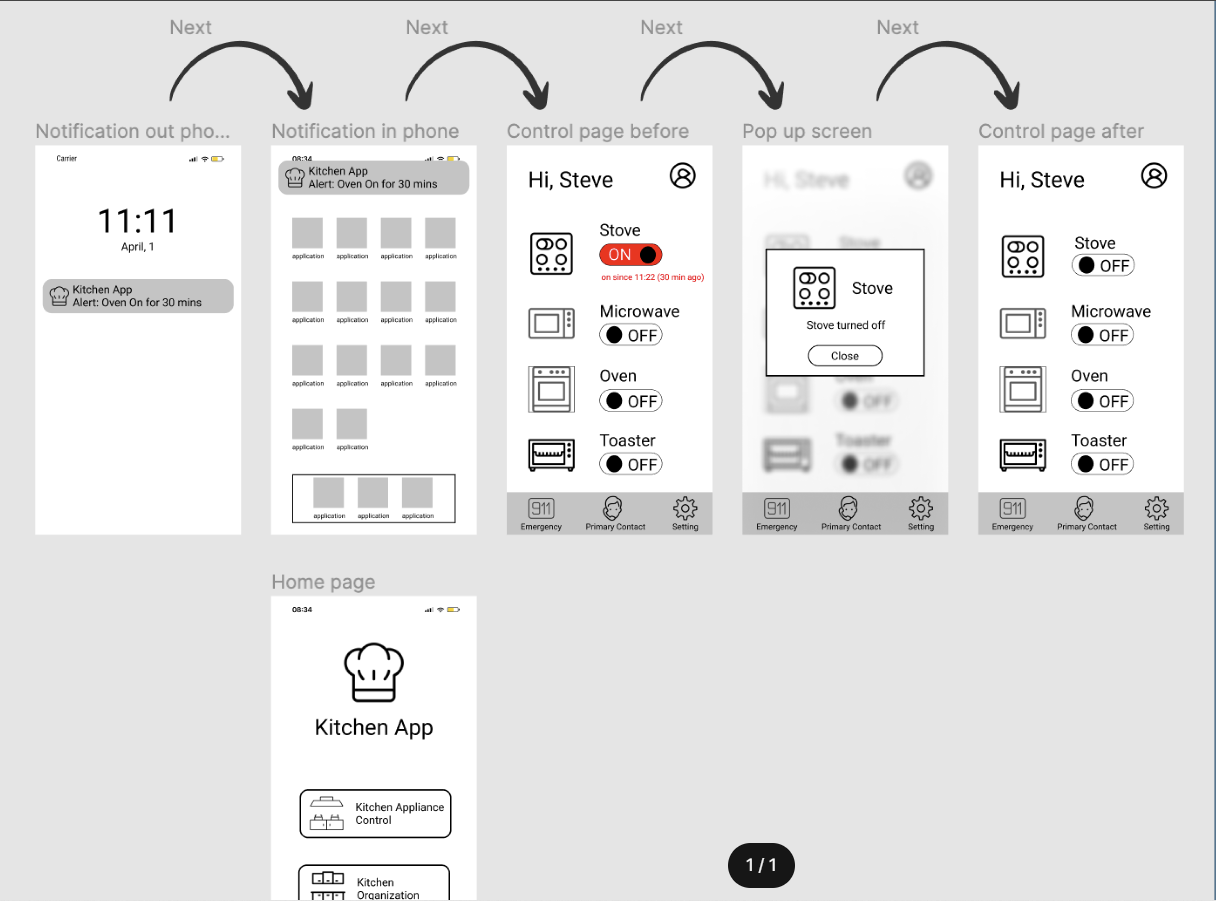
This coursework prototype combined mobile controls, burner reminders, an adjustable cooking surface, and a side-loading oven to explore support for memory, reach, and posture in the kitchen. A four-person Wizard-of-Oz study identified useful interactions and substantial usability issues, but did not include the intended older-adult population.

coursework      Accessibility slides report

Horizon Worlds: A Community of Practice for Social VR Design

Horizon Worlds: A Community of Practice for Social VR Design

Published:

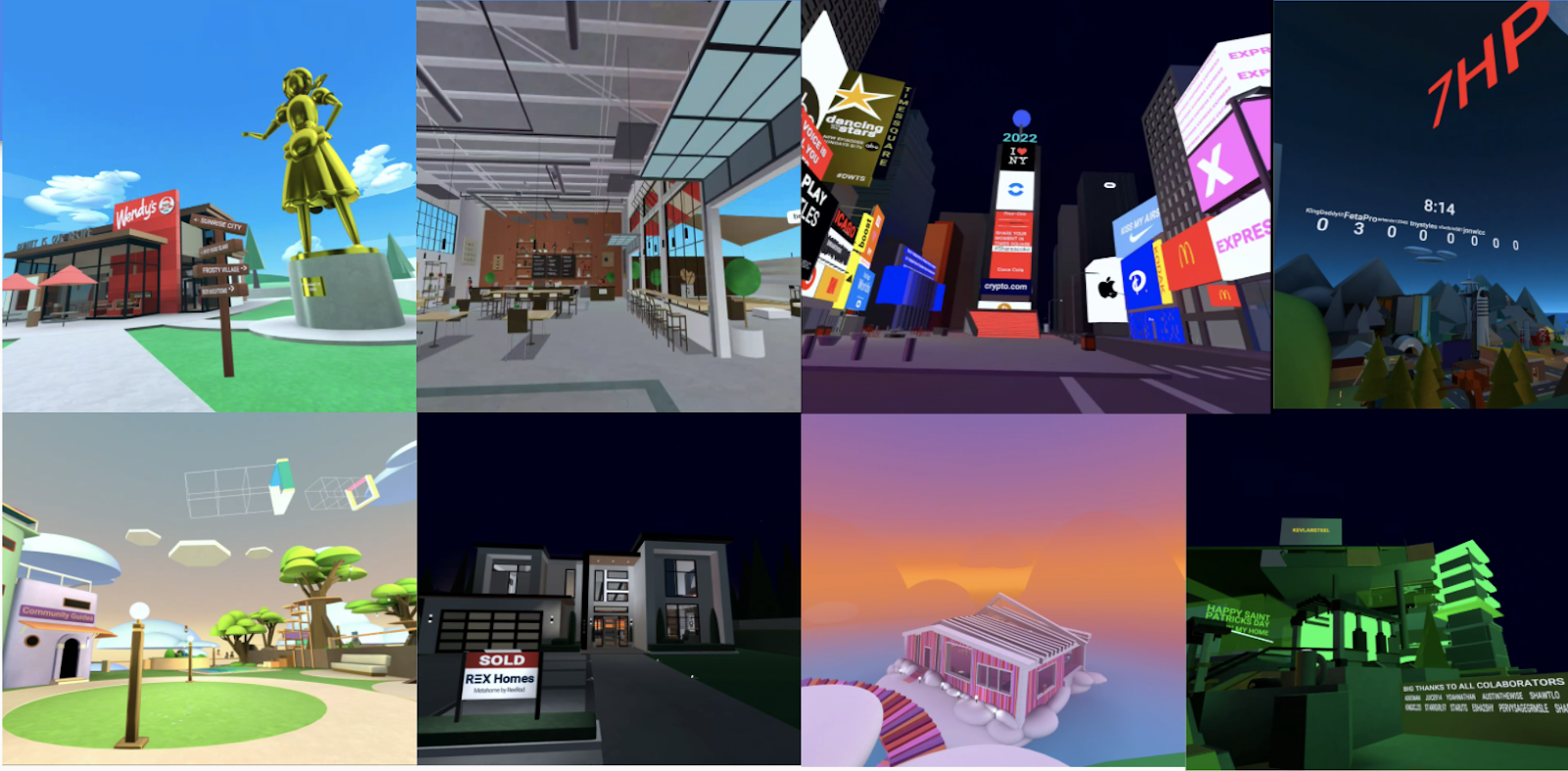
Through roughly 50 hours of participant observation and interviews with six community members, we studied how people learned, collaborated, formed roles, and handled conflict in Horizon Worlds. Its creator community operated as a community of practice, while moderation and the ephemerality of encounters shaped whether its social spaces could remain dependable.

coursework      Social computing report

2021

Localization of Working Memory using tfMRI

Localization of Working Memory using tfMRI

Published:

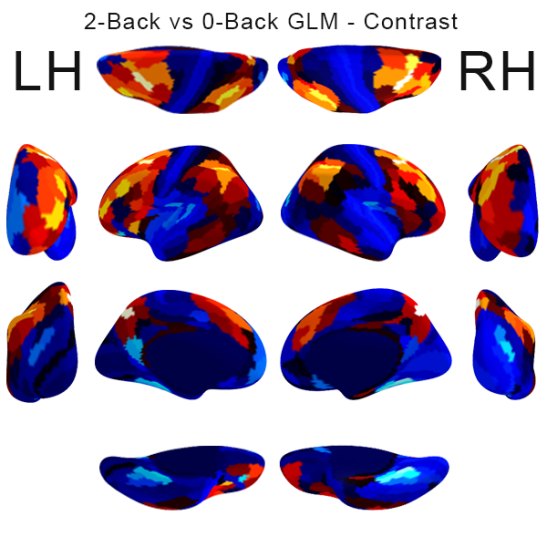
In a Neuromatch Academy collaboration, we analyzed Human Connectome Project fMRI data from 100 participants across 360 cortical regions. Contrasting 2-back with 0-back tasks isolated increased frontoparietal activity and reduced activity in parts of visual cortex, but did not establish the direction of information flow between regions.

organizations      Neuroscience code slides

Passive Haptic Learning for Accelerated Learning of Piano

Passive Haptic Learning for Accelerated Learning of Piano

Published:

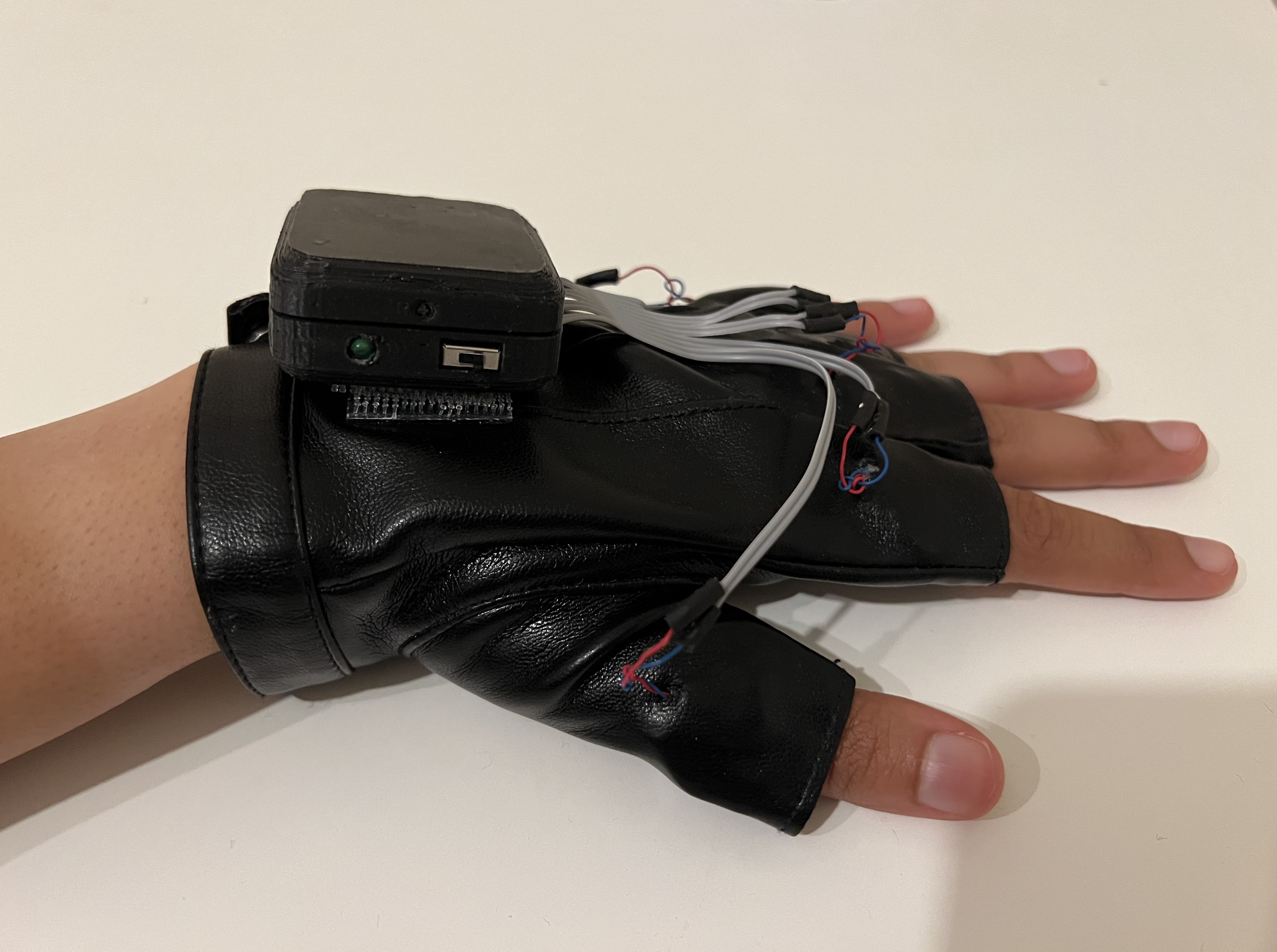
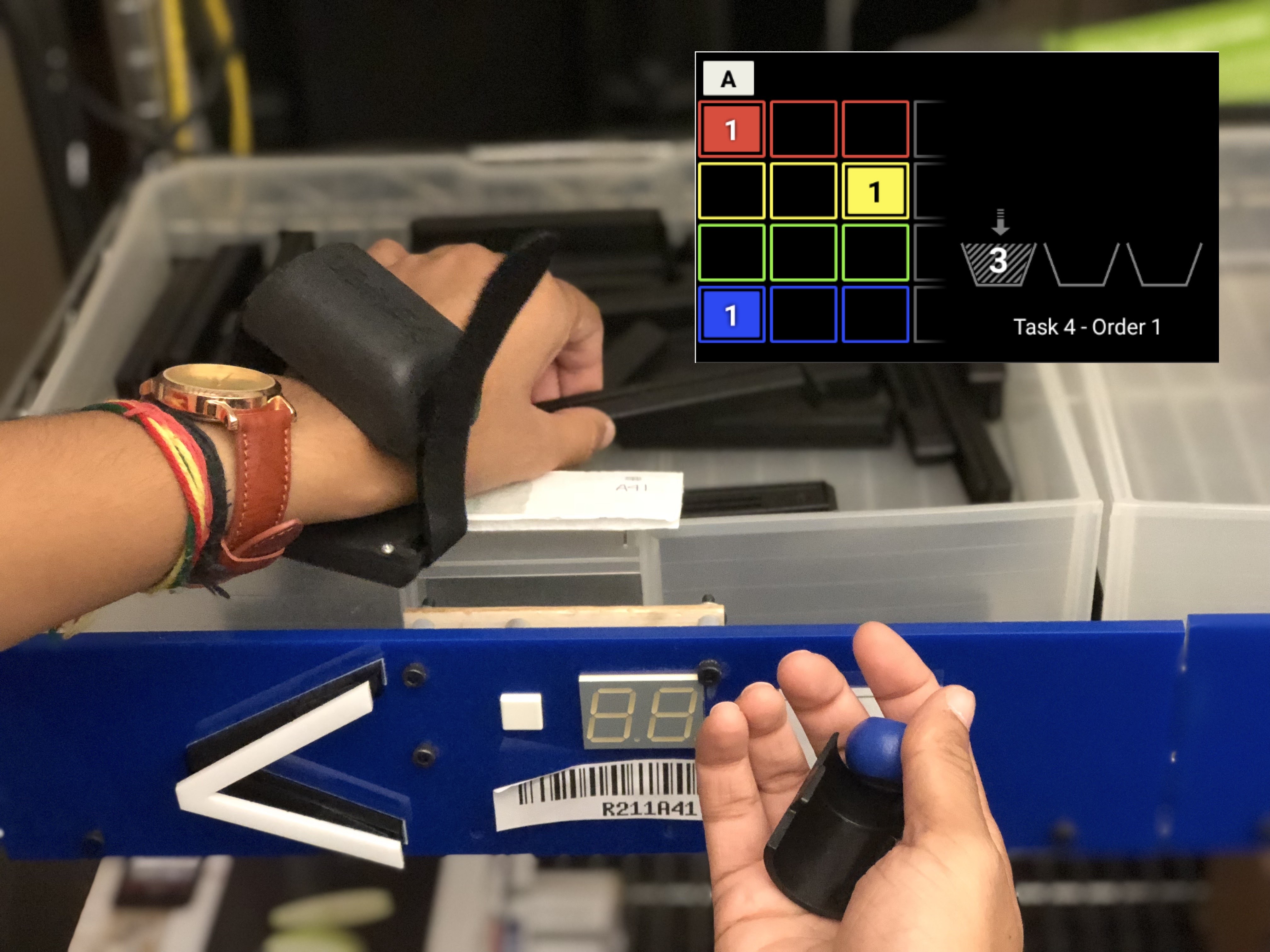
We developed passive haptic rehearsal: a wearable glove, light-up keyboard, and learning portal that supplement active piano practice with tactile repetition between sessions. In the primary analysis of 20 participants with complete, valid data from a 36-person in-home study, passive rehearsal increased the modeled learning rate for note accuracy by 49.7%, but did not significantly improve rhythm.

research      Passive haptic learning Haptics Wearables Human augmentation video IMWUT'24 paper UbiComp'22 demo CHI'22 IMI abstract UbiComp'22 Best Demo Award UROP Outstanding Oral Presentation Award

BrainBraille: A Passively Learnable Brain Computer Interface using fNIRS

BrainBraille: A Passively Learnable Brain Computer Interface using fNIRS

Published:

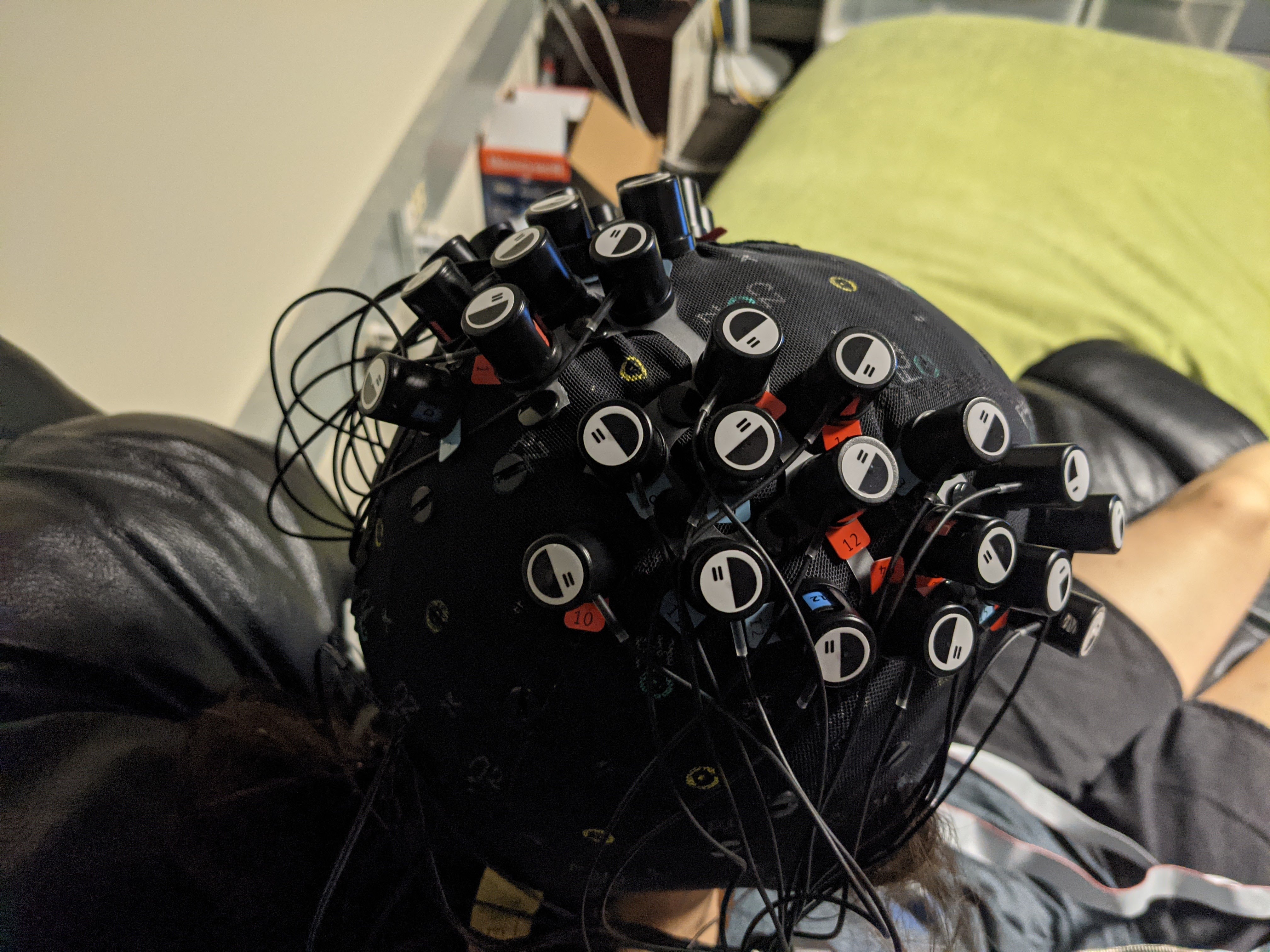
BrainBraille is an attempted-movement brain-computer interface that maps combinations of body regions to language. For my undergraduate thesis, I explored a wearable fNIRS implementation and examined whether transitions between movements could expand the command set while improving classification accuracy.

research      Brain–computer interfaces Passive haptic learning Accessibility Wearables Human augmentation undergraduate thesis BCI Meeting poster President's Undergraduate Research Award

2020

Hand Pose Estimation using Convolutional Neural Networks in Stereoscopic Vision

Hand Pose Estimation using Convolutional Neural Networks in Stereoscopic Vision

Published:

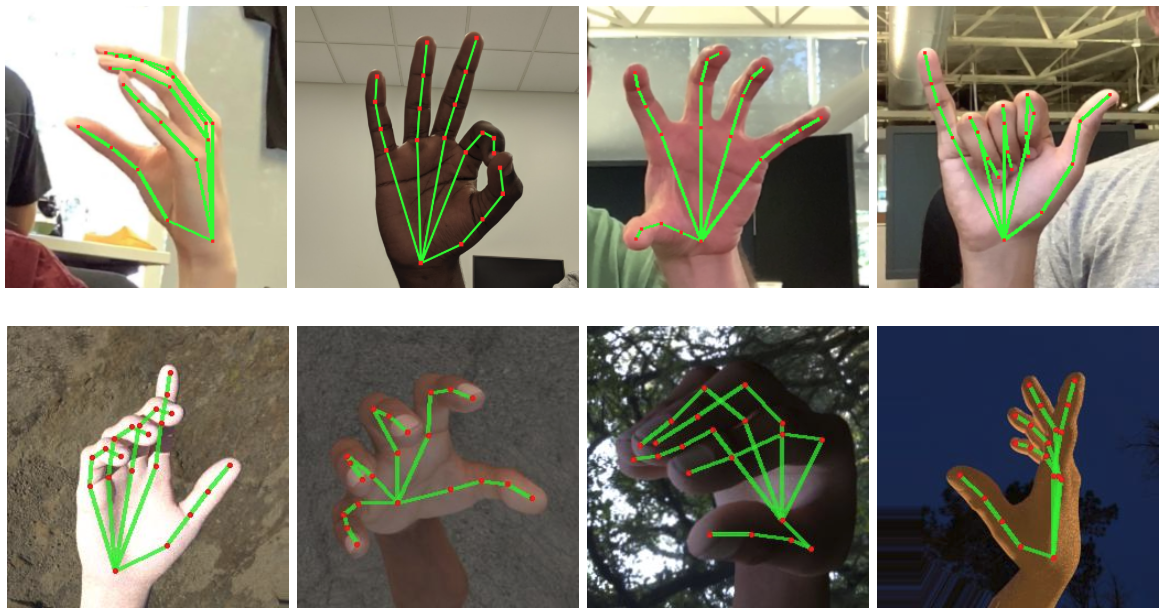
In this computer-vision course project, we built an early-fusion convolutional model for estimating 21 hand keypoints from synchronized stereo images. The model did not converge to a usable estimator; a persistent coordinate offset made the project a practical lesson in validating camera geometry independently of end-to-end training loss.

coursework      Machine learning & vision slides

SilentSpeller: Silent Speech Text Entry using Electropalatography

SilentSpeller: Silent Speech Text Entry using Electropalatography

Published:

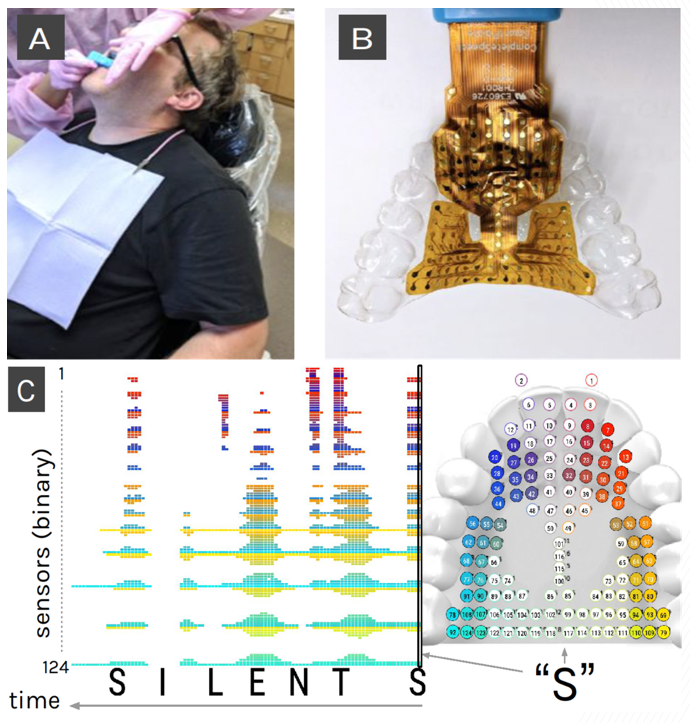
SilentSpeller is a hands-free text-entry system that senses tongue contact through capacitive electrodes in a dental retainer. We evaluated silent spelling with a 1,164-word vocabulary while participants were seated and walking, as well as in live text entry.

research      Subtle interaction Accessibility Wearables Human augmentation video CHI'22 paper CHI'21 Interactivity paper UROP Outstanding Oral Presentation Award BuzzFeed

Classifying Exoplanet Candidates from Stellar Time Series

Classifying Exoplanet Candidates from Stellar Time Series

Published:

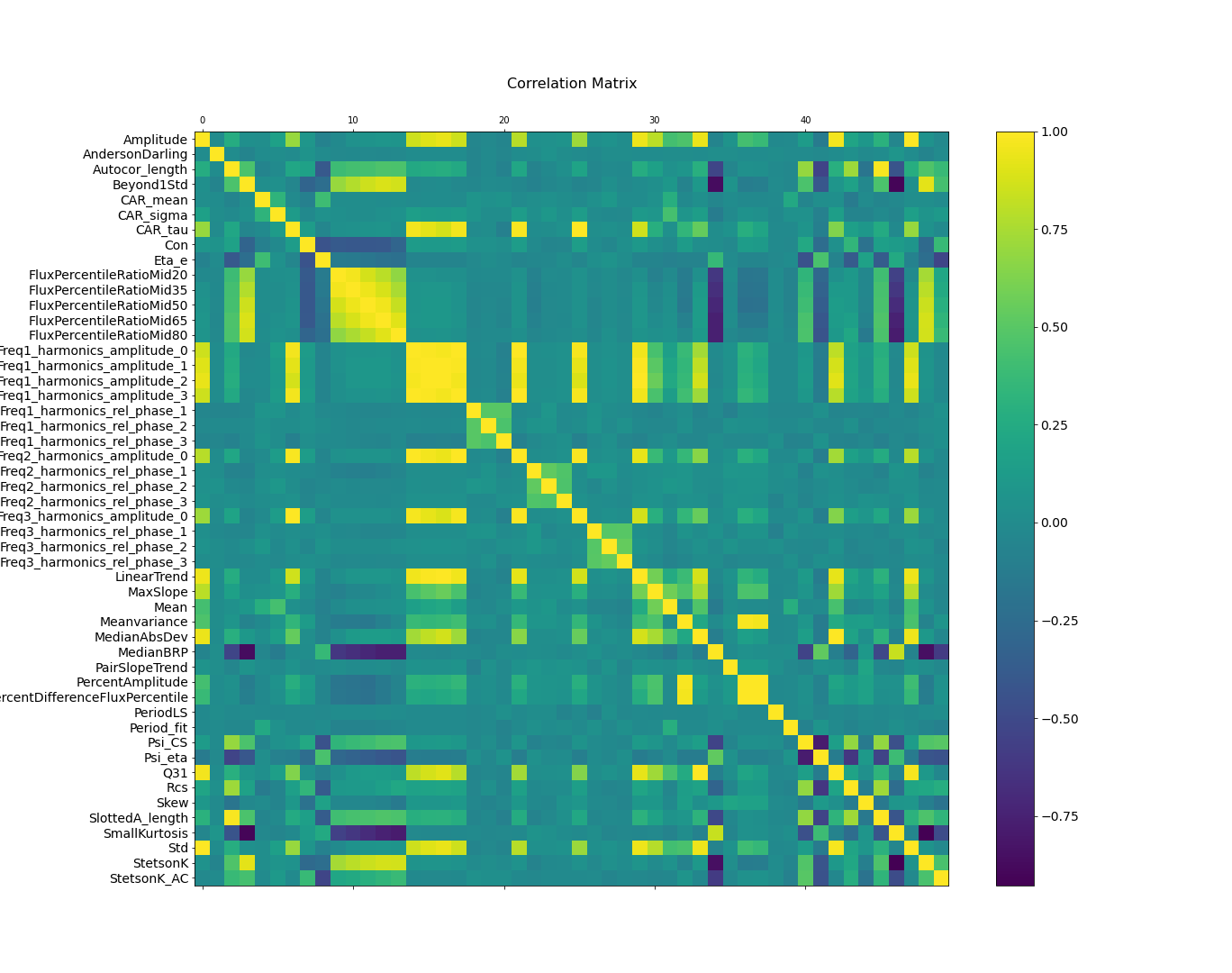
In this machine-learning course project, we represented Kepler K2 light curves using generic time-series features and compared five classifiers on a curated set of 685 stars. A random forest produced the strongest result, with an F1 score of 0.83 and cross-validated accuracy of 0.80 ± 0.06; the model ranked candidates rather than confirming new planets.

coursework      Machine learning & vision source writeup

2019

2018

2017