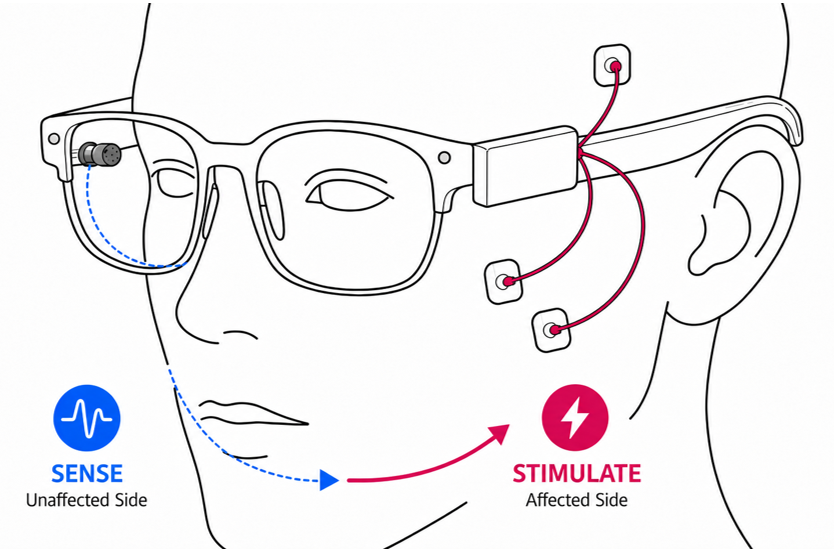
BionicFace is an assistive wearable research project for people with chronic facial paralysis caused by nerve damage. We are exploring glasses-based facial sensing and closed-loop electrical muscle stimulation to support real-time upper-face symmetry during social expression and communication, with a focus on hardware integration, calibration, comfort, safety, and everyday use.
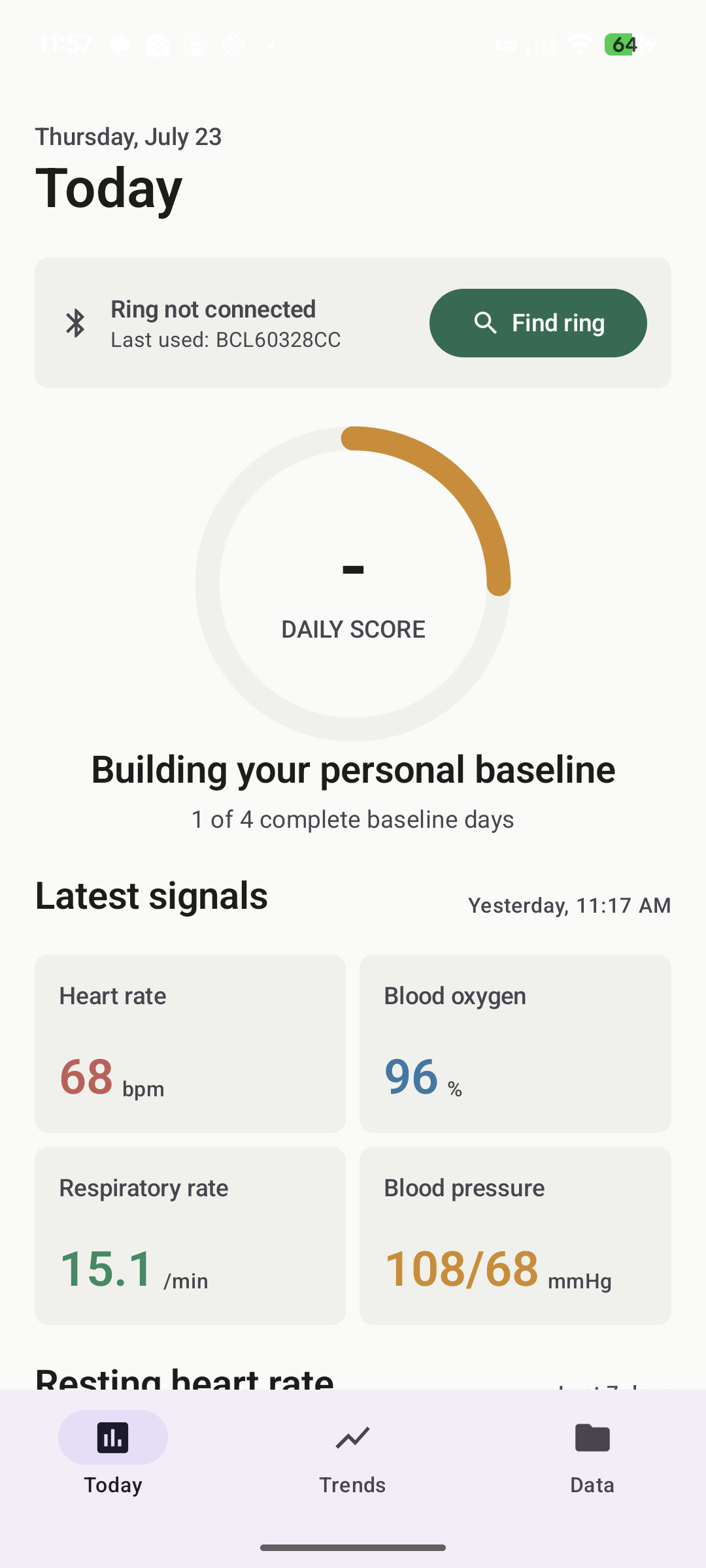
OpenRing Companion is an independent Android companion app for Tsinghua’s Tau-Ring smart ring. It replaces a data-collection-oriented interface with a local-first health dashboard that turns passive ring measurements into interpretable daily scores, trends, and intraday views while keeping health data and exports on the user’s device.
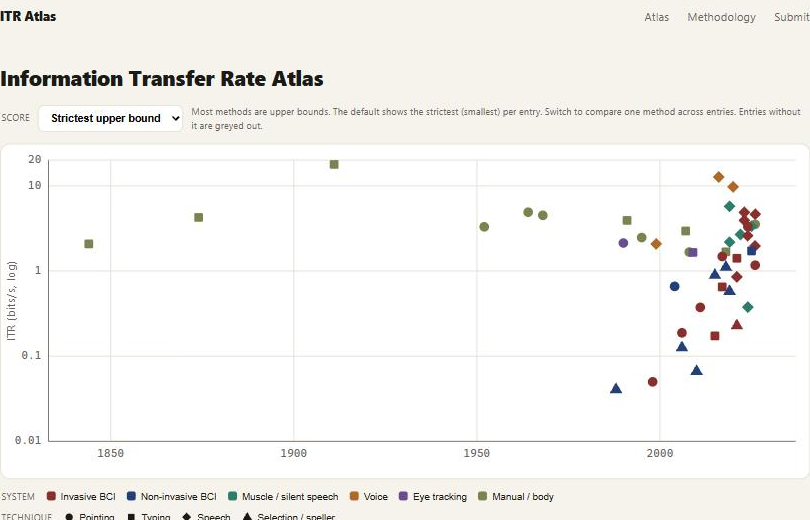
The Information Transfer Rate Atlas is an independent comparison site for communication and control interfaces across HCI and BCI. We recalculate information transfer rates from original papers and system figures, providing step-by-step derivations and conservative cross-modal comparisons with tighter bounds for language and pointing tasks.
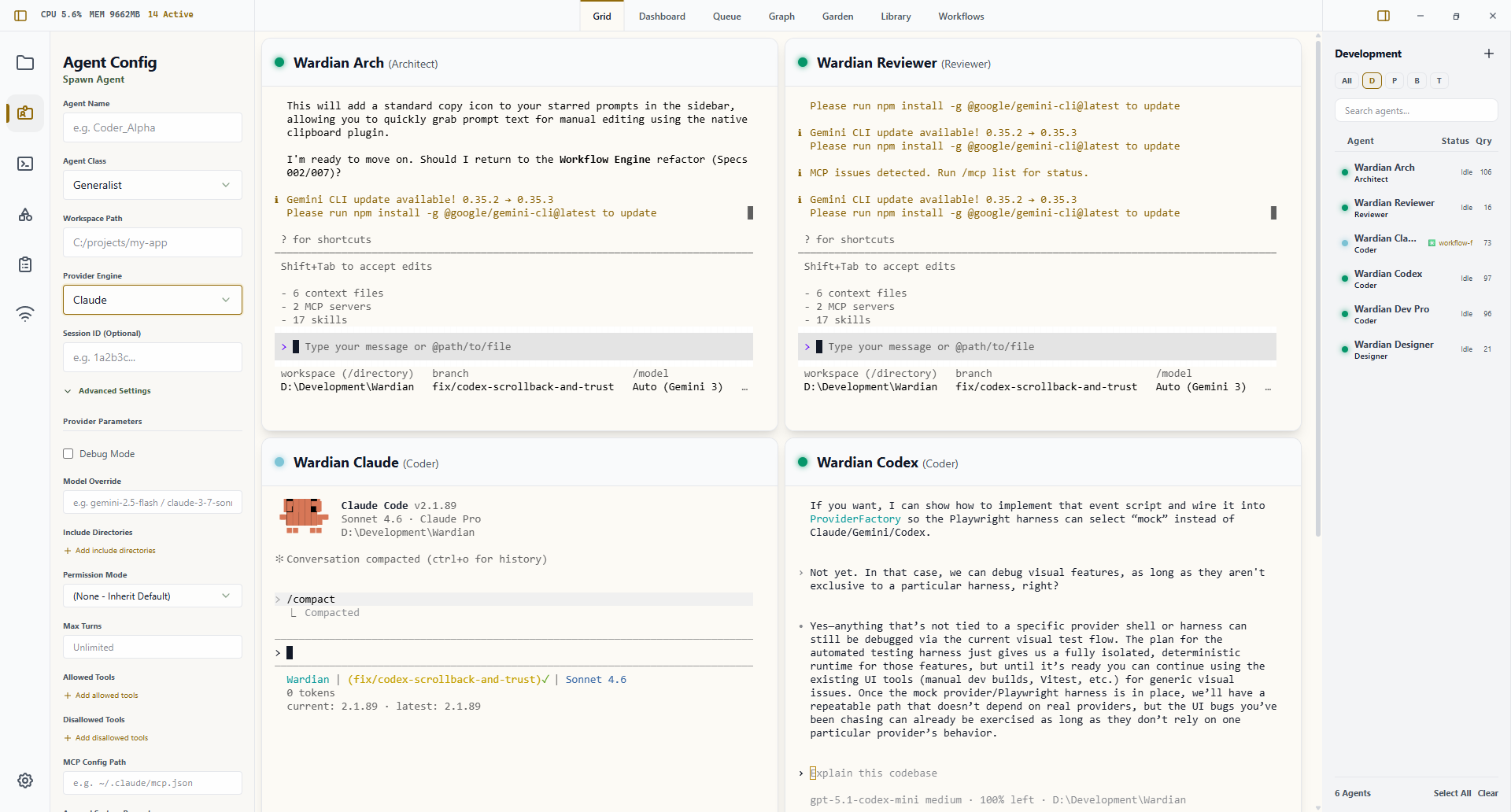
Wardian is a desktop workspace for coordinating multiple coding agents in parallel. It brings agent terminals, live status, workspaces, workflows, and communication into one inspectable habitat so people can delegate work, monitor progress, and intervene when an agent needs attention. Its tactile multi-pane interface is backed by a Rust-powered runtime for reliable local orchestration.
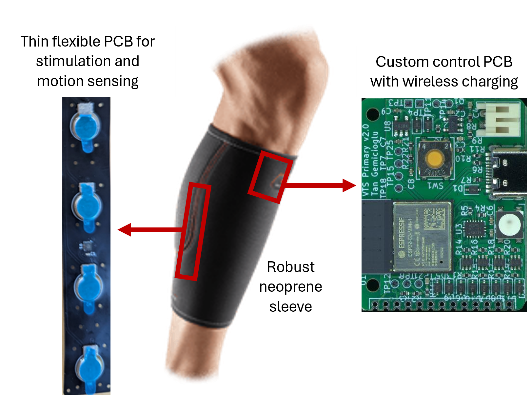
We are conducting a dual-phase clinical trial on the feasibility of using a wearable vibrotactile stimulation sleeve for post-stroke rehabilitation of spasticity in the leg and foot. In particular, we are investigating the neurophysiological mechanism of vibrotactile stimulation in rehabilitation, and its effect when used in conjunction with gait training.
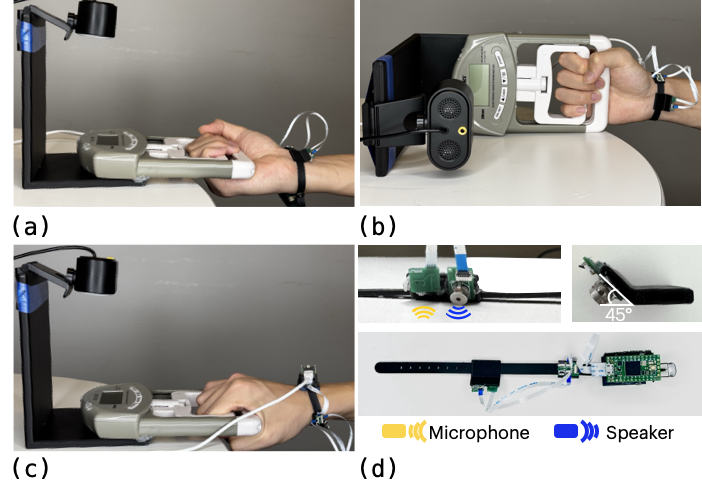
EchoForce is a wristband that estimates grip force from acoustic reflections produced by subtle skin deformation above the forearm flexor muscles. We evaluated both user-dependent and user-independent models across sessions and hand orientations.
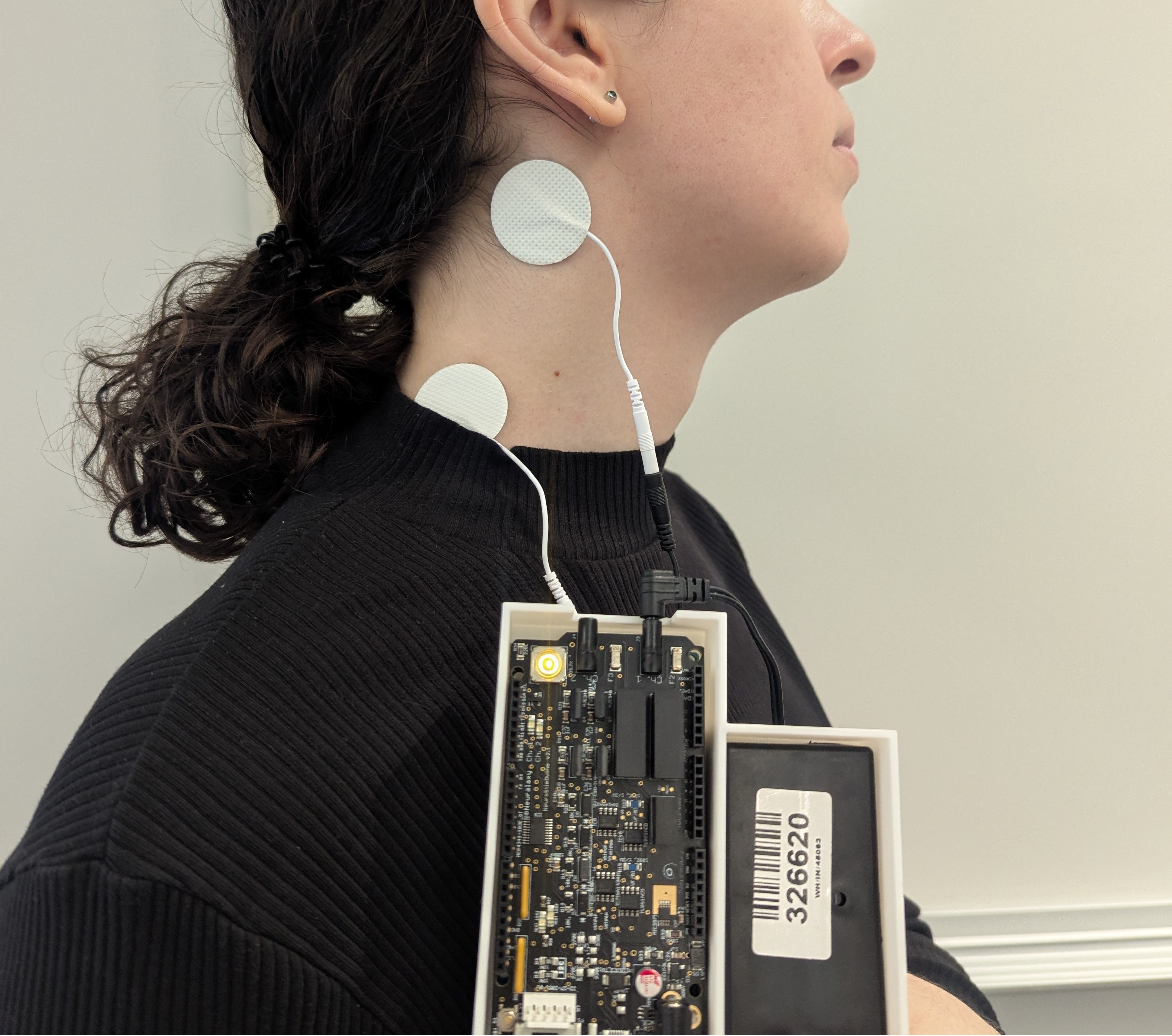
AppetiteCheck examines momentary, non-invasive vagus nerve stimulation as a low-attention intervention during eating. In a controlled study, participants ate less and more slowly under stimulation than under sham while reporting similar post-snacking satiety.
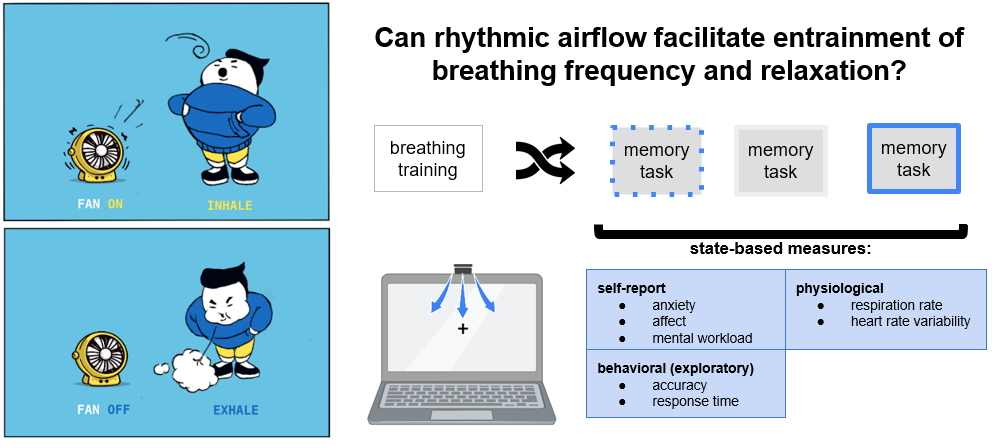
BreathePulse is a laptop-mounted breathing guide that uses pulsed airflow as an implicit cue. In a controlled N-back study, airflow guided slower breathing most consistently during the easier task, while adding workload and producing little measurable change in stress.
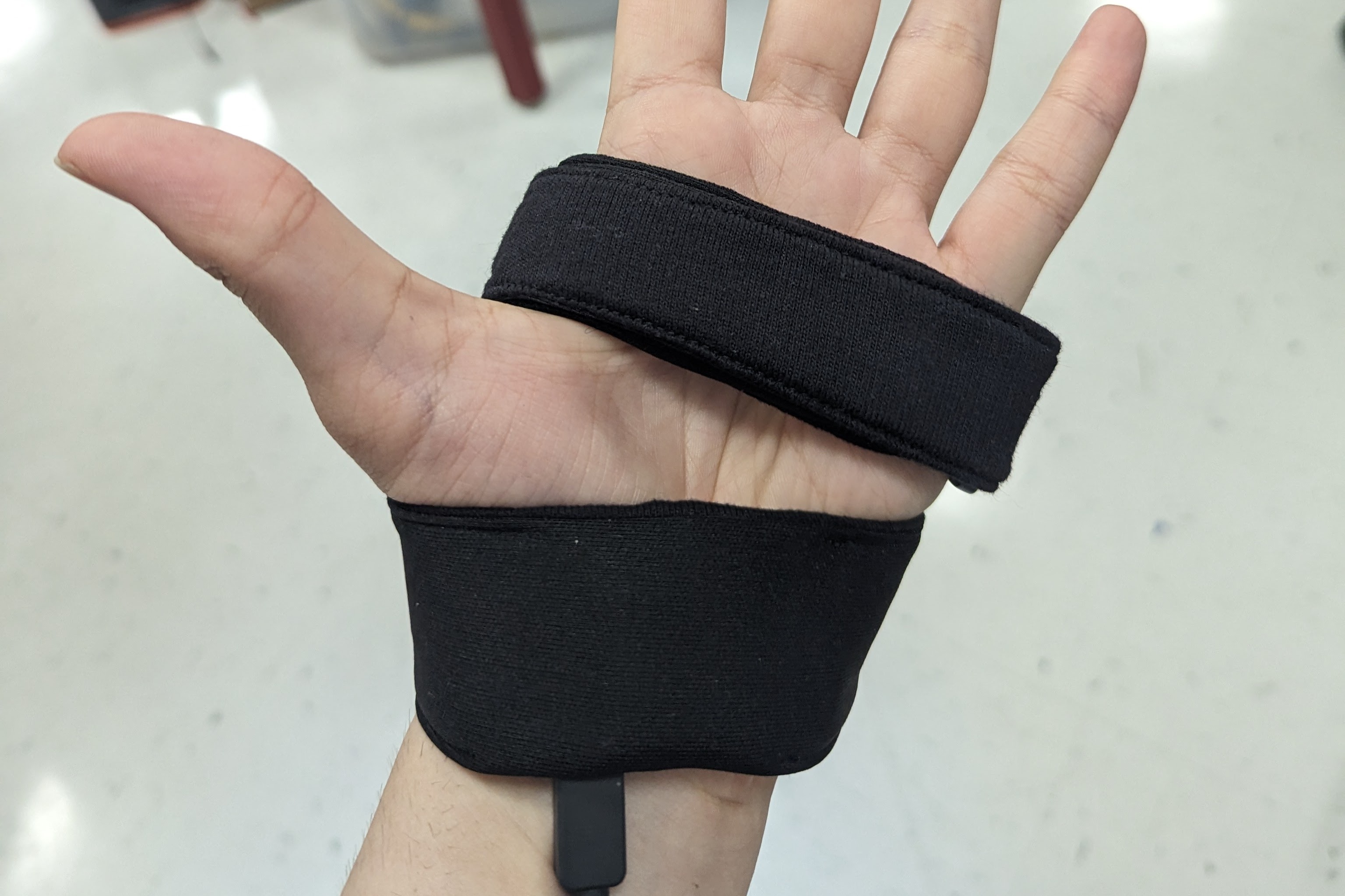
Touché explores flexible, low-cost wearable electronics for delivering vibrotactile stimulation to people with post-stroke upper-limb spasticity. The project focuses on making extended stimulation easier to use at home and during daily activity.
The field of brain-computer interfaces (BCIs) is growing rapidly, but there’s a lack of reliable learning resources for students and new researchers. As part of my role in the Postdoc & Student Committee of the BCI Society, I worked to create tutorial sessions for teaching various topics in BCI at the BCI Meeting.
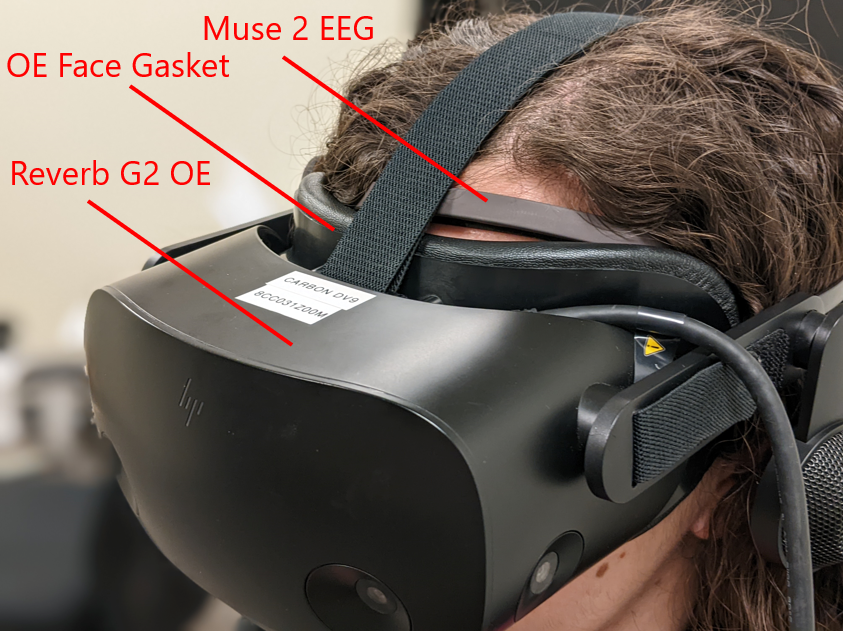
Tongue gestures are an accessible and subtle method for interacting with wearables but past studies have used custom hardware with a single sensing modality. At Microsoft Research, we used multimodal sensors in a commercial VR headset and EEG headband to build a 50,000 gesture dataset and real-time classifier. We also invented a new interaction method combining tongue and gaze to enable faster gaze-based selection in hands-free interactions.
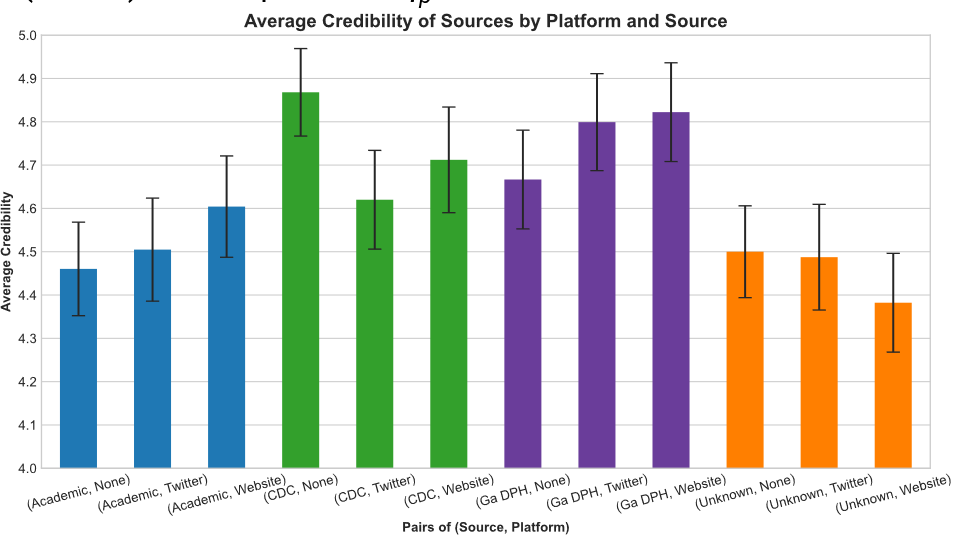
With the COVID-19 pandemic, online delivery of public health messages has become a critical role for public healthcare. We examined how credibility of public health messages regarding COVID-19 varies across different platforms (Twitter, original website) and source (CDC, Georgia Department of Health, independent academics) in a controlled experiment.
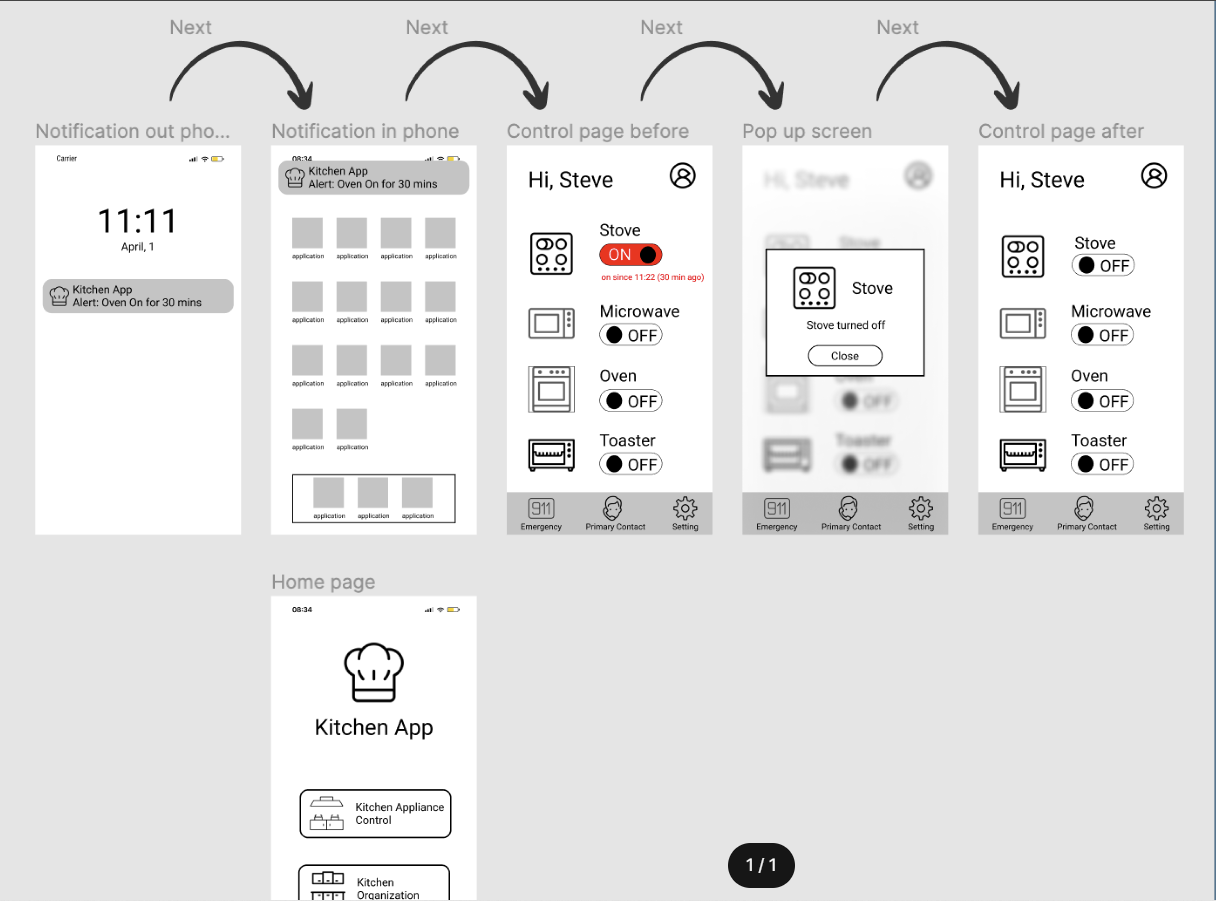
For elderly people with cognitive impairments, the kitchen can be dangerous. To reduce risks of burns, falling objects and memory lapses in the kitchen, we prototyped an intelligent stovetop appliance and mobile app interface. We conducted a Wizard of Oz study on prototype and collected usability information from interviews, performance, and NASA-TLX.
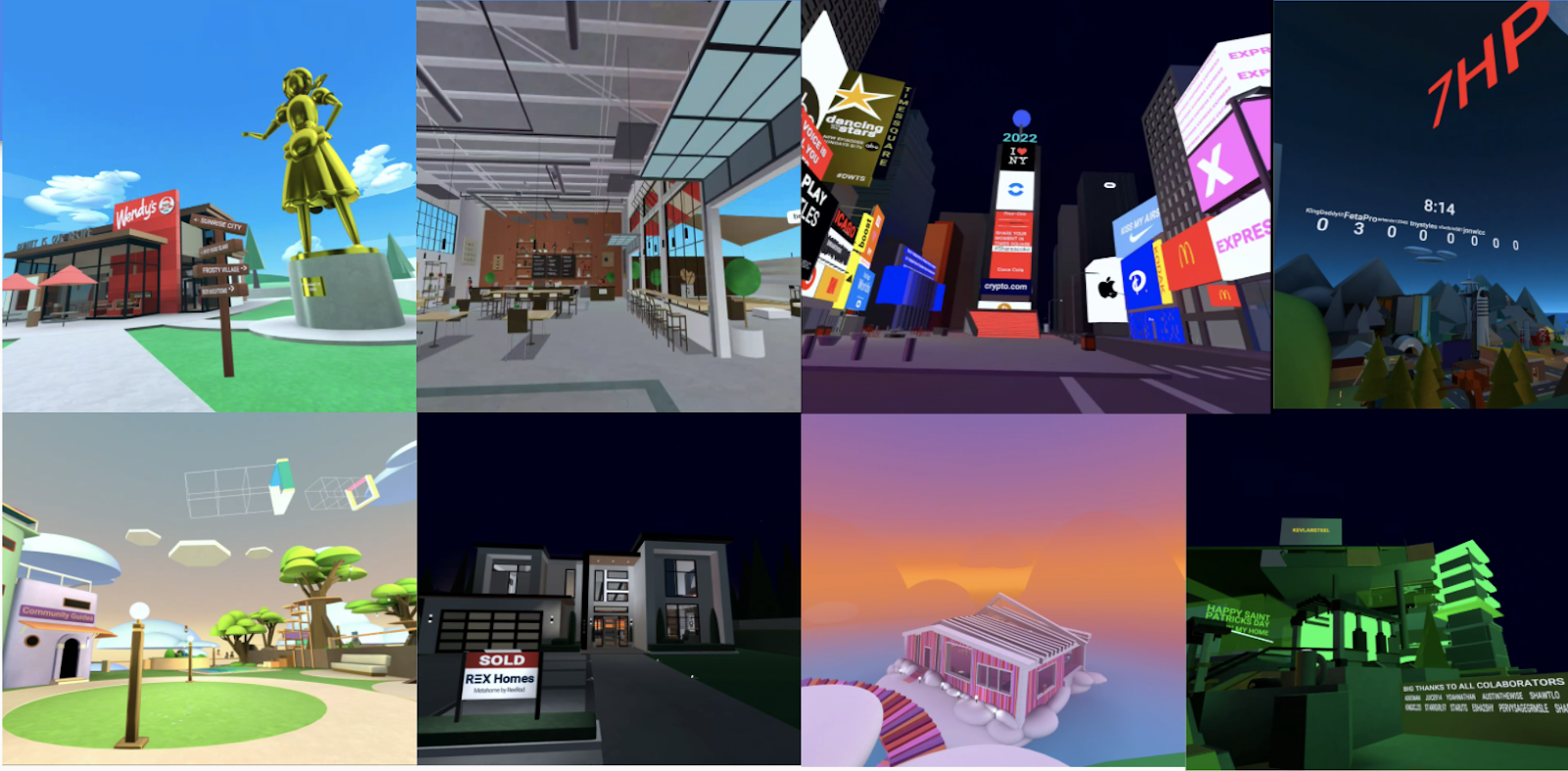
Despite recent attention, Horizon Worlds hasn’t been studied extensively as a social VR platform. Using ethnographic methods, my group studied the online VR community in Horizon Worlds. Based on observational reports and interviews, we found the creative community of world designers to be a prototypical community of practice for designing social VR experiences.
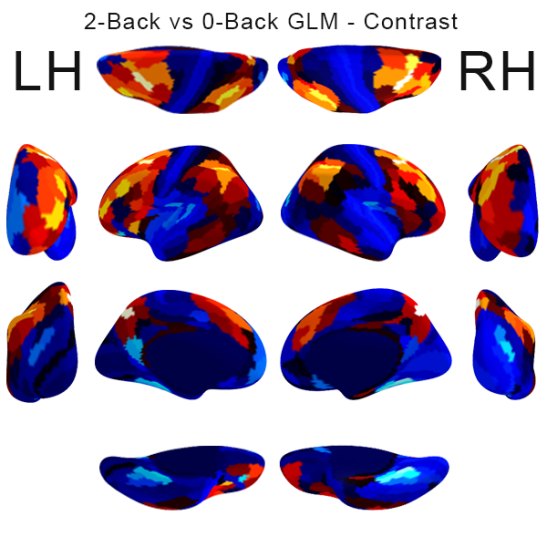
As part of Neuromatch Academy student collaboration, we investigated working memory activity through N-back tasks with different sequence lengths and stimuli based on the Human Connectome Project’s task-based fMRI data. We localized and characterized prominent regions of activation using GLMs.
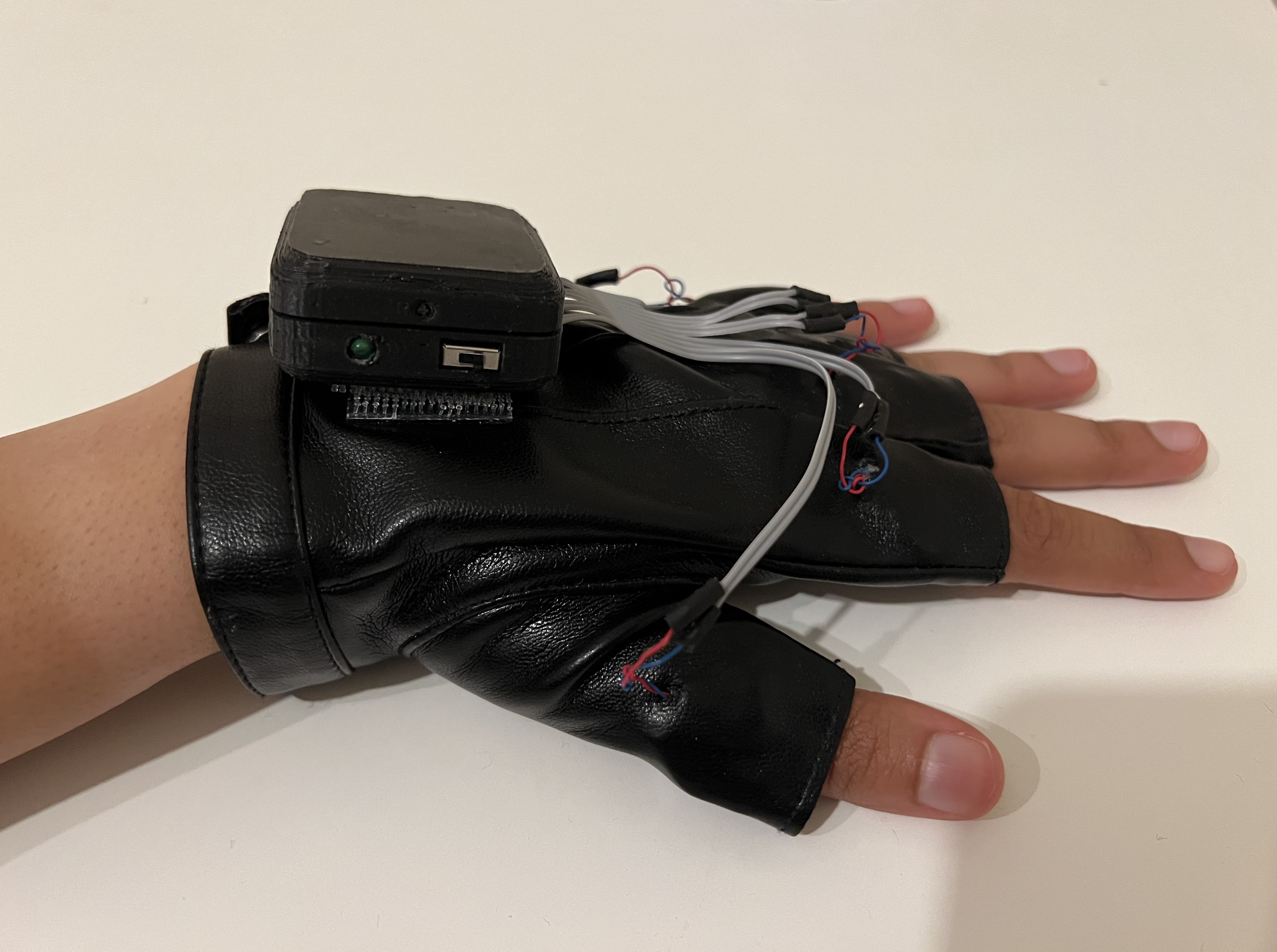
Learning piano is difficult, especially for older learners with busy lives. Passive haptic learning can reduce time spent practicing piano through instructional tactile cues. We designed a custom vibrotactile haptic glove for daily wear, enabling faster learning of piano skills. I led a group of undergraduate and graduate students in manufacturing glove hardware, designing a web portal and organizing user studies to evaluate performance.
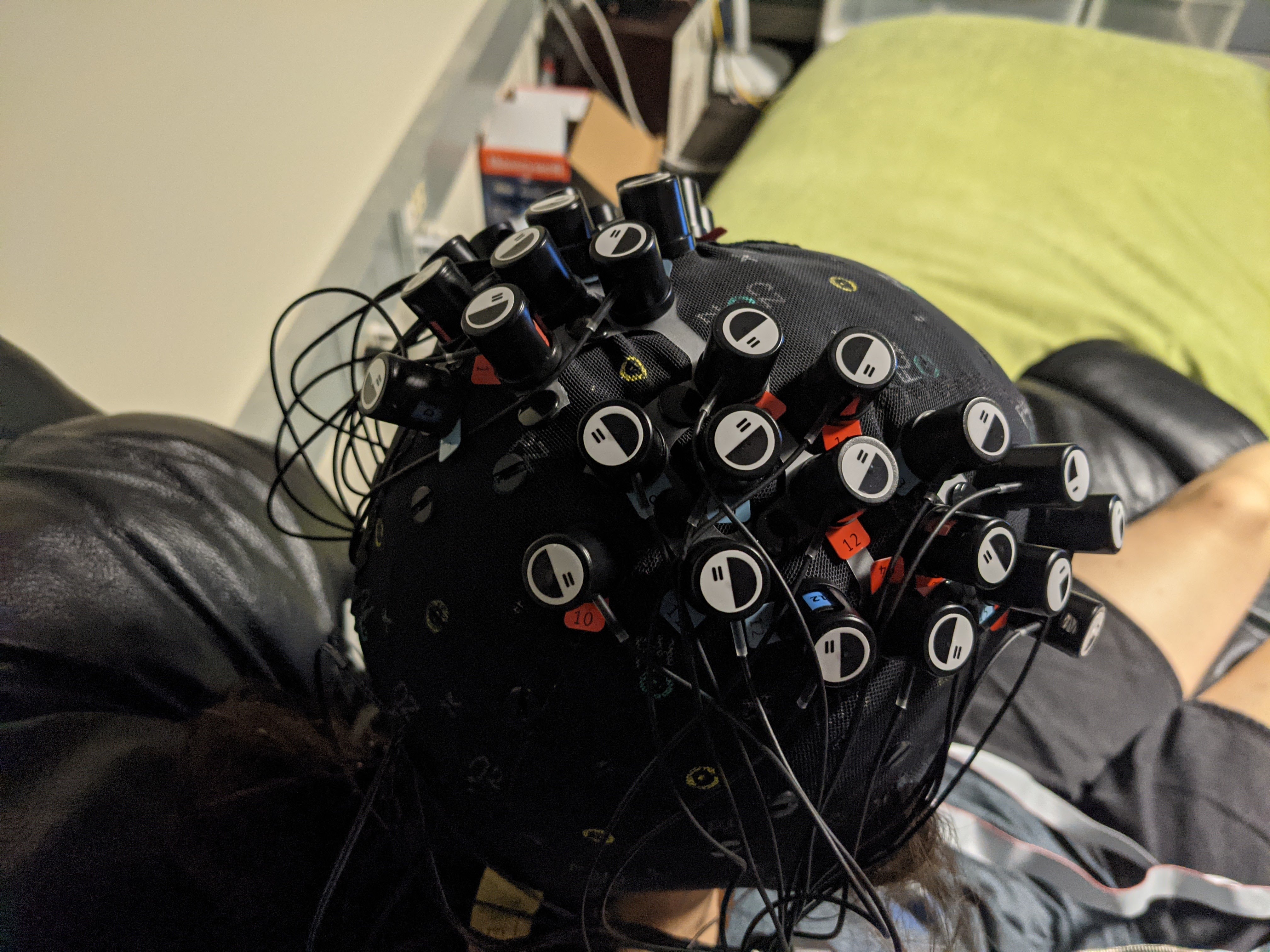
BrainBraille is an attempted-movement brain-computer interface that maps combinations of body regions to language. For my undergraduate thesis, I explored a wearable fNIRS implementation and examined whether transitions between movements could expand the command set while improving classification accuracy.
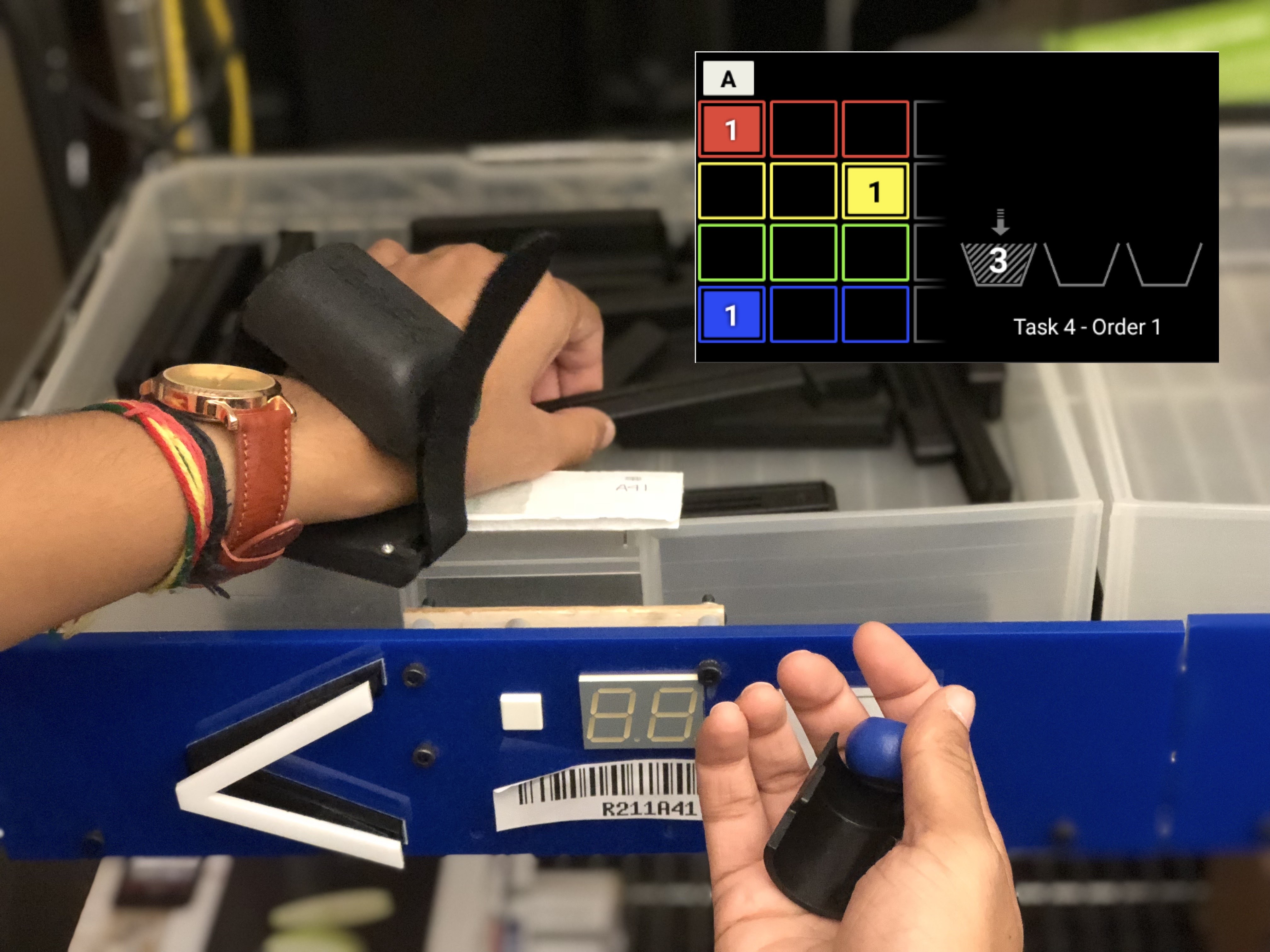
We investigated whether the structure of warehouse order-picking tasks could provide weak supervision for object recognition from egocentric video. The system learned visual object models from repeated picks without frame-level labels and was evaluated on independent orders.
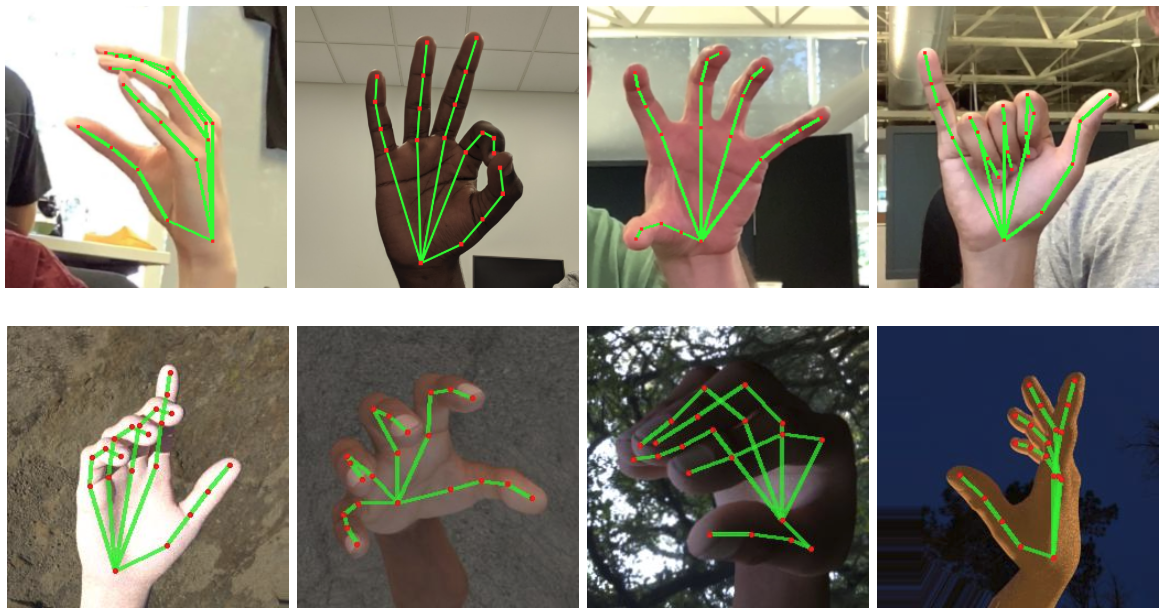
Estimating hand poses is valuable for gesture interactions and hand tracking but often requires expensive depth cameras. Stereo cameras show multiple perspectives of the hand, allowing depth perception. We created a pipeline for estimating location of hand and finger keypoints with a stereo camera using deep convolutional neural networks.
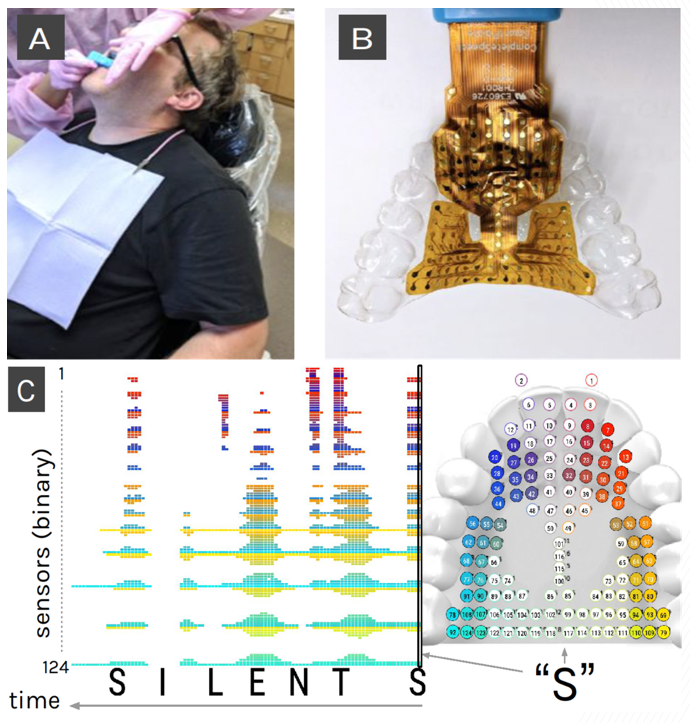
SilentSpeller is a hands-free text-entry system that senses tongue contact through capacitive electrodes in a dental retainer. We evaluated silent spelling with a 1,164-word vocabulary while participants were seated and walking, as well as in live text entry.
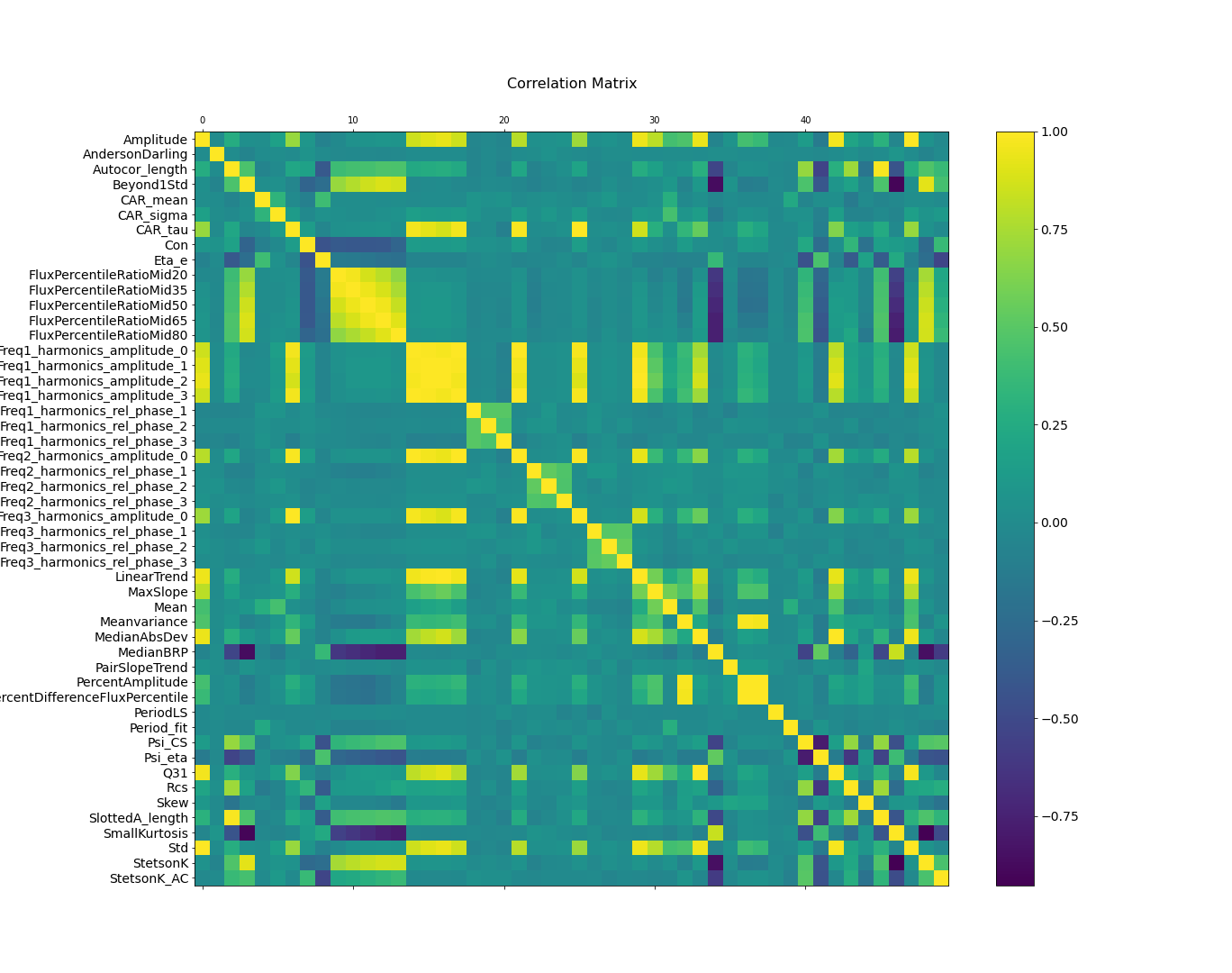
Traditionally, exoplanet discovery relies on expert astronomers or models that integrate astronomy domain knowledge. We applied machine learning and feature extraction techniques to get 80% accuracy for stellar light curves in NASA’s Mikulski Archive, demonstrating that domain knowledge is no longer necessary for discovery of new exoplanets.
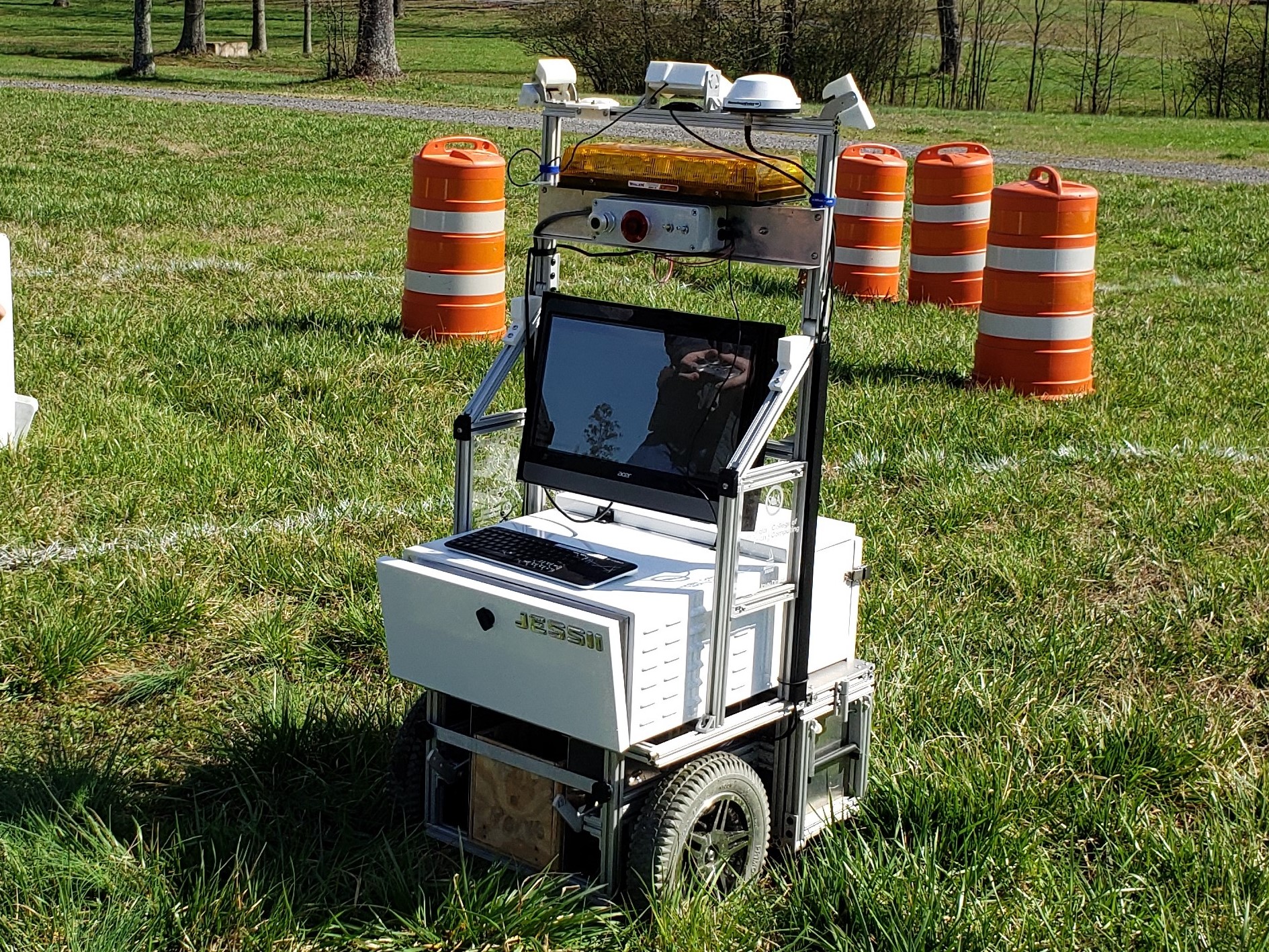
As part of the software team, I prepared a complete replica of competition in simulation to enable RoboJackets’ Intelligent Ground Vehicle Competition robots to be tested realistically. I also coded motor control firmware and path planning algorithms to enable more accurate robot motion. Later, as project manager, I supervised the software, electrical and mechanical teams’ progress.
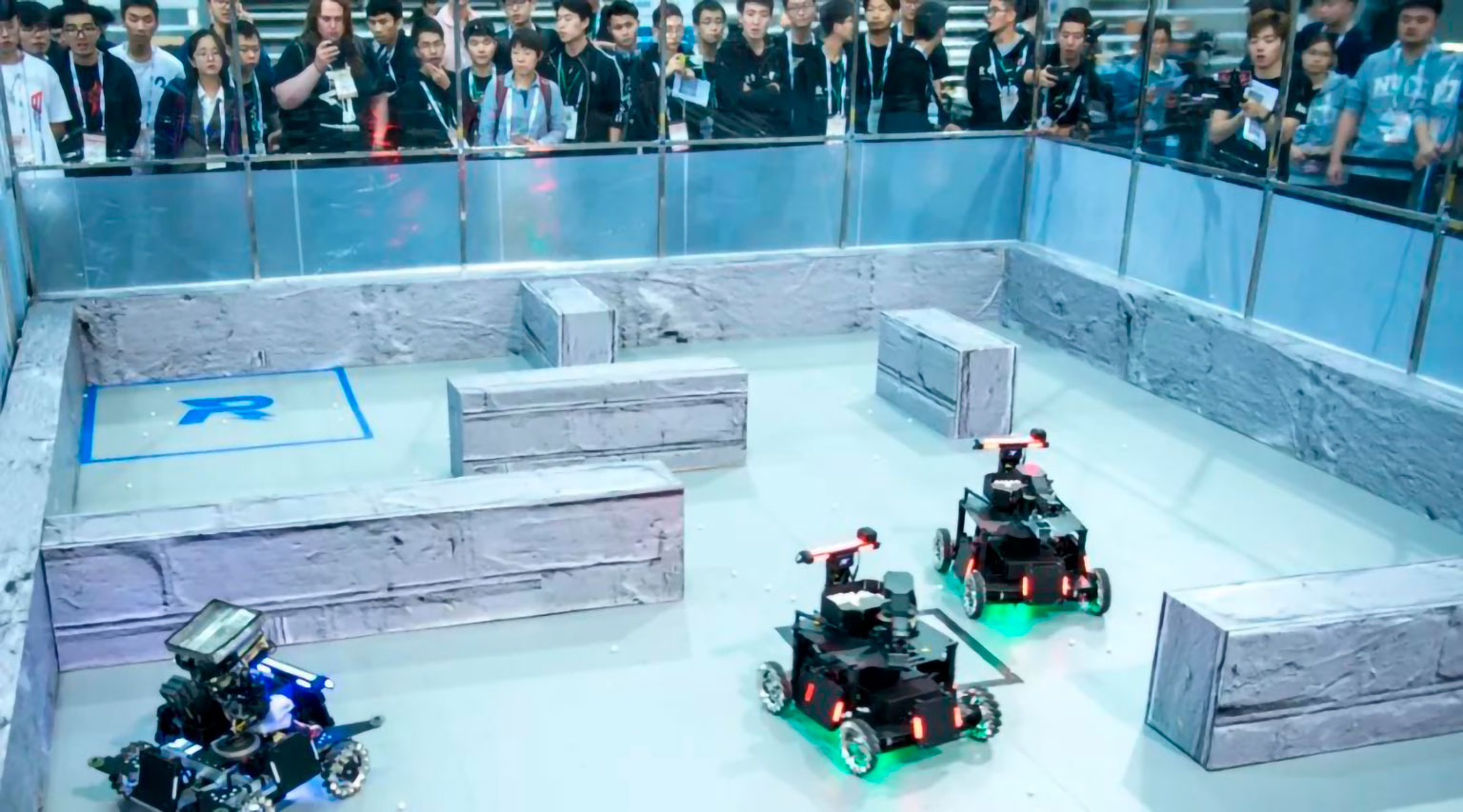
I designed a recurrent reinforcement-learning and simulation framework for an autonomous robot in the 2018 DJI RoboMaster AI Challenge. Team RCMakers qualified as a finalist and placed 11th at ICRA 2018.
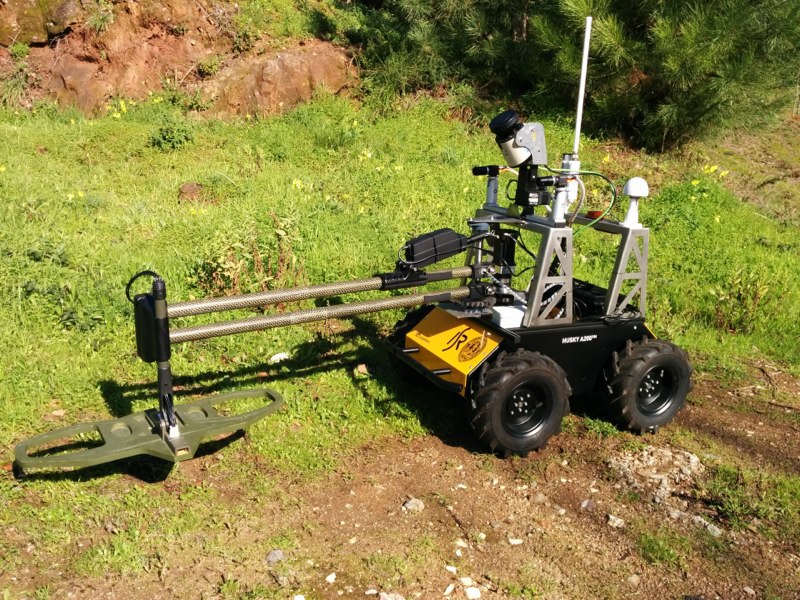
As a small high-school team, we competed in the IEEE Robotics and Automation Society’s Humanitarian Robotics and Technologies Challenge by applying machine learning for autonomous mine detection with a metal detector on a low-cost robot platform. We earned 3rd place in the competition and demonstrated robot at ICRA 2017 as a finalist.